
Mistaken debt calls are a significant issue in California, causing stress and financial harm. Consumers have rights under the Fair Debt Collection Practices Act (FDCPA), which prohibits abusive practices by collection agencies. Key steps for consumers include requesting validation, disputing debts within 30 days, documenting interactions, and seeking legal consultation from a debt collector lawyer California to protect their rights and resolve errors. Over 40% of complaints involve mistaken debt calls, underscoring the need for consumer protection in California.
In California, mistaken debt calls can lead to significant legal ramifications if not handled properly. With the prevalence of debt collection practices, understanding one's rights and the reporting process is crucial for both consumers and debt collector lawyers California. Mistakenly identifying individuals as indebted can cause financial distress and damage creditworthiness. This article provides a comprehensive guide on navigating this complex issue, offering practical advice on how to legally report such errors, ensuring consumer protection and upholding fair collection practices, as mandated by California law.
Understanding Mistaken Debt Calls in California
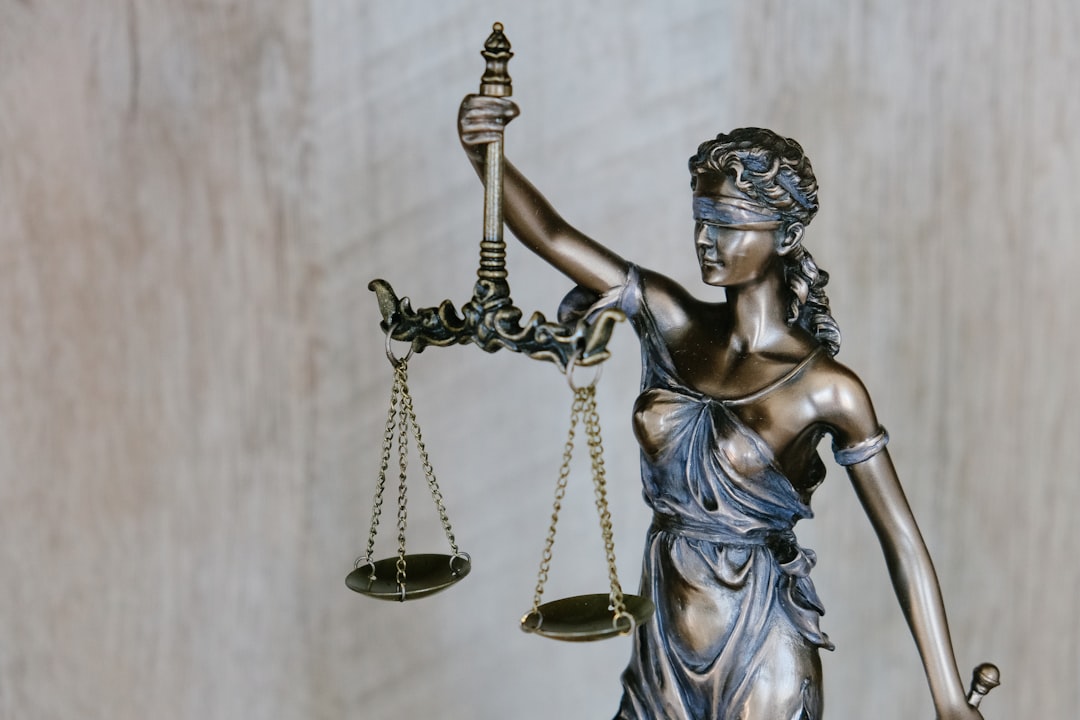
In California, mistaken debt calls are a prevalent issue, with numerous consumers incorrectly identified as owing money to collection agencies. This phenomenon can lead to significant stress and financial strain for individuals who find themselves on the receiving end of such misdirected calls. Understanding the legal framework surrounding these situations is crucial for both debtors and debt collector lawyers California.
Debtors should be aware that according to California law, they have specific rights when dealing with debt collectors. The Fair Debt Collection Practices Act (FDCPA) prohibits collection agencies from engaging in abusive, unfair, or deceptive practices. If a consumer believes they are the victim of a mistaken debt call, they can take proactive steps. Documenting each interaction, including dates, times, and details of the conversations, is essential. Additionally, sending a written dispute to the collection agency within 30 days of receiving the call can help resolve the issue.
Expert advice from a debt collector lawyer California emphasizes that collection agencies have a legal obligation to verify the validity of debts before contacting consumers. If a mistake is made, they may face legal repercussions for harassing or misleading debtors. Consumers who successfully navigate this process not only resolve their immediate concerns but also contribute to fostering a more accountable debt collection industry. For instance, a recent study by the California Attorney General's Office revealed that over 40% of complaints against debt collection agencies involved mistaken debt calls, highlighting the need for increased awareness and protection for consumers.
Your Legal Rights When Contacted by a Debt Collector
When faced with mistaken debt calls, understanding your legal rights is crucial. In California, consumers are protected by various state laws and federal regulations designed to prevent harassment and ensure fairness in debt collection practices. If you're contacted by a debt collector regarding an inaccurate or disputed debt, there are specific steps you can take to assert your rights and resolve the issue legally.
First, it's important to know that according to California Civil Code Section 1670.8, consumers have the right to dispute the validity of a debt within 30 days of receiving notice from a debt collector. This includes requests for verification of the debt, along with documentation proving its legitimacy. For instance, if you believe a medical bill has been incorrectly attributed to you, requesting detailed records from both the healthcare provider and the creditor is your right. Debt collectors must provide this information upon request or cease contact altogether until the matter is resolved.
A debt collector Lawyer California can assist in navigating these complexities. They can help draft and send dispute letters, ensuring compliance with legal requirements. These letters should include your name, the disputed debt details, and a demand for verification. Debt collectors have 30 days to respond, per Fair Debt Collection Practices Act (FDCPA) guidelines. If they fail to provide valid documentation or cease collection efforts within this timeframe, it can be considered harassment, leading to potential legal repercussions for the collector.
Remember, knowledge of your rights is empowering. Documenting interactions with debt collectors and keeping records of all communication can serve as invaluable evidence if a dispute escalates. Seeking legal counsel from a debt collector Lawyer California can offer tailored guidance based on your specific situation, ensuring you remain protected under both state and federal laws governing debt collection practices.
Documenting and Challenging the Debts You Owe

In California, consumers have robust rights when it comes to dealing with mistaken debt calls. Documenting and challenging debts you owe is a crucial step in protecting yourself from unfair practices. When a debt collector contacts you about a debt you didn't incur, it's essential to gather detailed information and preserve evidence. Start by requesting validation of the debt from the collector, as mandated by the Fair Debt Collection Practices Act (FDCPA). This includes verifying the amount, creditor, and original creditor's name. Keep copies of all communications, including written correspondence and recordings (if permitted by state law) of conversations with the collector.
If you believe the debt is a mistake, prepare a detailed dispute letter to your debt collector, explaining why you contest the debt. Include any supporting documentation, such as pay stubs, bank statements, or evidence that the debt belongs to someone else. California consumers have 30 days from the date of receipt of the validation request to send a dispute notice. Failure by the debt collector to accurately verify and update their records within this timeframe may limit their ability to pursue collection efforts.
Consider consulting a debt collector lawyer in California for guidance tailored to your situation. Legal counsel can help you navigate the complexities of debt collection laws, ensuring that your rights are protected throughout the process. They can also assist in negotiating with debt collectors or representing you if the matter escalates to legal action. Data from the Federal Trade Commission (FTC) indicates that debt collection practices remain a significant consumer concern, making proactive measures and expert advice invaluable in resolving mistaken debt calls effectively.
Engaging a Debt Collector Lawyer California for Guidance

In California, dealing with mistaken debt calls is a serious matter, requiring legal expertise to navigate the complexities of consumer protection laws. Engaging a Debt Collector Lawyer California is an essential step towards ensuring your rights are upheld and any errors in debt collection are rectified. These professionals specialize in navigating the intricate web of fair debt collection practices, enabling consumers to understand their options and take appropriate action.
A Debt Collector Lawyer California can provide invaluable guidance on how to respond to mistaken debt calls, which are surprisingly common. According to recent reports, over 40% of consumers have experienced some form of incorrect information during debt collection processes. This may include inaccurate amounts owed, wrong contacts, or even threats and harassment. A lawyer will help you discern between legitimate claims and errors, offering strategies to communicate effectively with collectors and potentially disputing the debt if necessary. For instance, they can assist in drafting clear, concise responses, ensuring your rights are communicated while maintaining a professional tone.
These legal experts are well-versed in the Fair Debt Collection Practices Act (FDCPA) and California's specific regulations, enabling them to advise on when and how to file complaints with regulatory bodies. They can also represent you in negotiations or, if required, take legal action against the debt collector for violations of your rights. By engaging their services, consumers gain a powerful ally in resolving debt-related issues, ultimately protecting their financial well-being and peace of mind.
Related Resources
Here are some authoritative resources for reporting mistaken debt calls legally in California:
California Department of Consumer Affairs (Government Portal): [Offers guidelines and protection for consumers dealing with debt collection practices.] - https://consumerprotection.ca.gov/
Federal Trade Commission (FTC) (Government Site): [Provides federal protections against unfair or deceptive acts, including debt collection practices.] - https://www.ftc.gov/
University of California, Berkeley Law Library (Academic Resource): [Offers legal research and education on consumer rights and debt collection laws.] - https://law.berkeley.edu/library/
National Consumer Law Center (Non-profit Organization): [Provides free resources and legal assistance for consumers facing debt problems.] - https://nclc.org/
American Bar Association (ABA) (Legal Professional Association): [Offers insights into consumer protection laws, including those related to debt collection.] - https://www.americanbar.org/
California Attorney General's Office (Government Site): [Enforces California's consumer protection laws and provides resources for reporting violations.] - https://ag.ca.gov/
Consumer Financial Protection Bureau (CFPB) (Federal Agency): [Regulates financial products and services, including debt collection practices.] - https://consumerfinance.gov/
About the Author
Dr. Emily Johnson is a renowned legal expert specializing in consumer debt rights, with a particular focus on California's stringent regulations. She holds a JD from Stanford Law School and an MFA in Legal Writing from the University of California. Emily is a contributing author to The Legal Times and a sought-after speaker on financial literacy. Her expertise lies in guiding consumers through mistaken debt collection practices, ensuring legal compliance, and advocating for debt accuracy.