
California consumers enjoy robust protections against debt collectors due to the Fair Debt Collection Practices Act (FDCPA) and state-specific laws. Key steps for addressing errors include verifying debt accuracy, keeping records, and promptly seeking legal advice from a debt collector lawyer California. Engaging such a lawyer is strategic for protecting rights, identifying violations, negotiating resolutions, and avoiding long-term repercussions associated with incorrect debt collection practices. Prompt action is crucial.
Debt collection practices are a critical aspect of financial law in California, with far-reaching consequences for both consumers and debt collectors. Errors in these processes can lead to legal repercussions and significant financial losses for individuals. Given the complexity of debt collection laws in the state, understanding how to handle such errors is paramount, especially when involving debt collector lawsuits. A knowledgeable debt collector lawyer in California can provide invaluable guidance on navigating these intricate regulations. This article offers a comprehensive overview of the legal steps one should take when facing potential debt collection errors, ensuring compliance and protecting your rights under California law.
Understanding Your Rights Against Debt Collectors in California
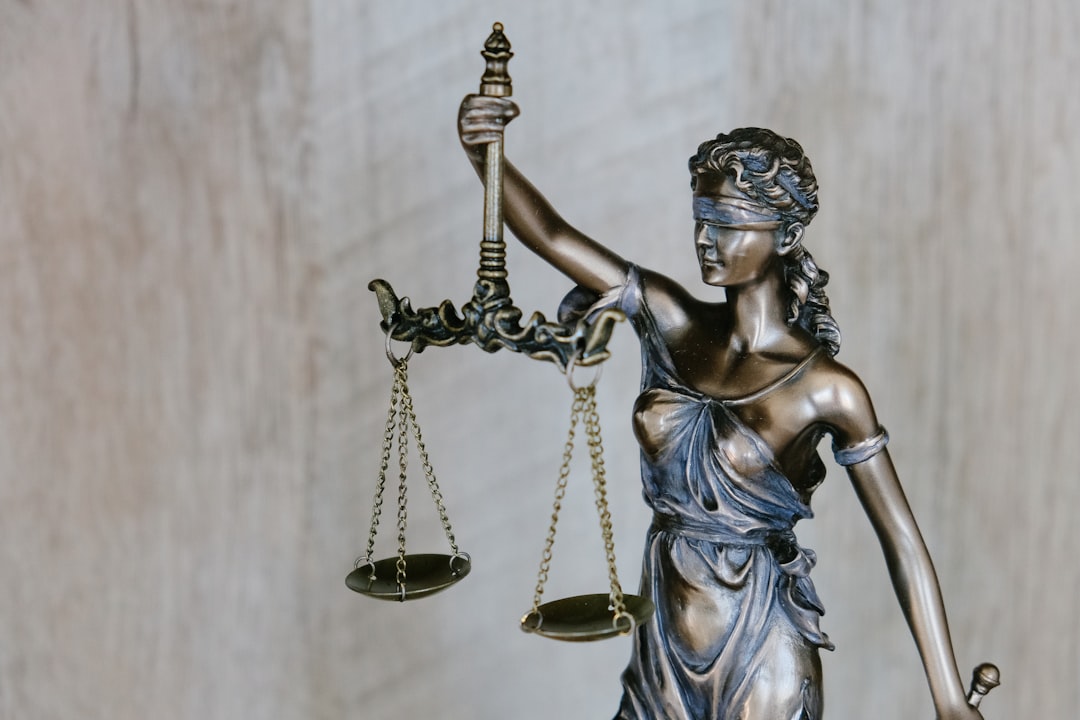
In California, consumers have robust rights against debt collectors, with strict regulations designed to protect individuals from aggressive or inaccurate collection practices. The Fair Debt Collection Practices Act (FDCPA) outlines specific guidelines that debt collectors must adhere to when attempting to collect a debt. These include restrictions on the time and manner of contact, as well as prohibitions against using abusive, false, or deceptive means.
California law further strengthens these protections with its own unique regulations, such as requiring debt collectors to verify the debt and provide detailed validation of the amount owed. Consumers have the right to demand verification in writing and are entitled to dispute the debt within 30 days of receiving a collection notice. This process is designed to ensure that consumers are not misled or harassed by debt collectors. For instance, if a consumer receives a collection letter claiming an outstanding balance, they can request documentation to confirm both the debt's existence and its accuracy.
Should a debt collector fail to adhere to these regulations, California residents have legal avenues to pursue. Engaging the services of a debt collector lawyer in California is a crucial step for individuals who believe their rights have been violated. Legal experts in this field can help consumers navigate complex laws, file formal complaints with regulatory bodies like the California Department of Consumer Affairs, and even take legal action if necessary. It's important to act promptly as there are time limits for filing claims related to debt collection practices. By exercising their rights and seeking professional guidance, Californians can protect themselves from errors and abuse in the debt collection process.
Steps to Take When a Debt Collector Makes an Error
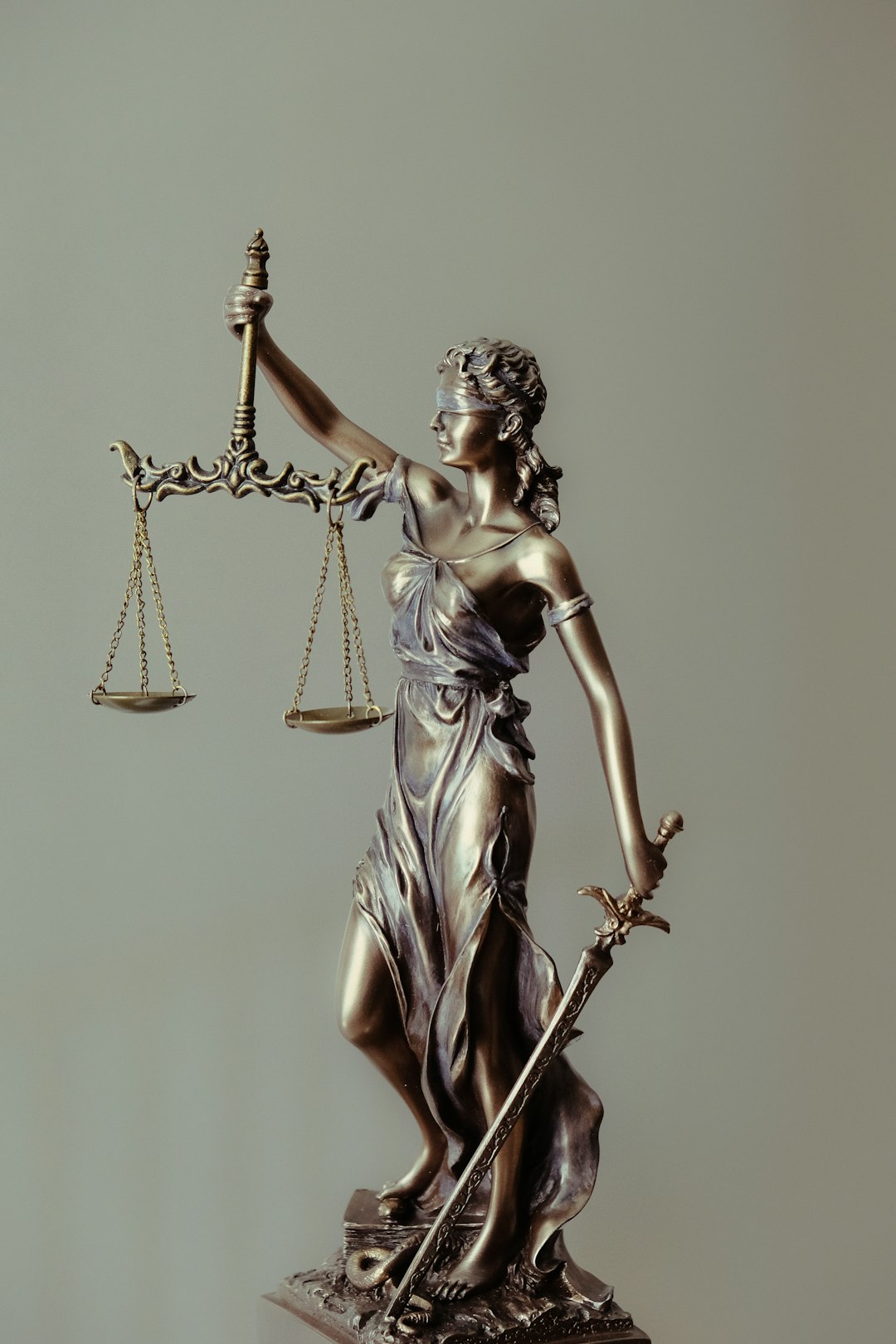
When a debt collector makes an error in California, it's crucial to know exactly what steps to take. According to the Federal Trade Commission (FTC), consumers have rights when dealing with debt collectors, and any incorrect or misleading information can be challenged. The first step is to verify the debt's accuracy by requesting validation from the collector. This involves submitting a written request within 30 days of receiving the notice, specifying the amount in dispute and the reasons for questioning it.
A common error debt collectors make is misidentifying the debtor or misrepresenting the outstanding balance. For instance, a recent case involved a California resident who received a collection letter claiming a long-settled debt. After disputing the claim with help from a debt collector lawyer California, it was discovered that the collector had mistakenly sent the letter to an individual with a similar name but no connection to the actual debtor. This highlights the importance of meticulous record-keeping and clear communication by both debtors and collectors.
If the error is acknowledged by the collector, they are legally required to rectify it promptly. This may involve issuing a corrected statement or, in severe cases, ceasing collection efforts entirely. A debt collector lawyer California can guide clients through this process, ensuring their rights are protected under the Fair Debt Collection Practices Act (FDCPA). For example, if a collector continues to harass a debtor after an error is brought to their attention, legal action may be taken to stop these abusive practices and secure compensation for emotional distress.
In some cases, collectors may dispute your claims or fail to respond to your inquiries. If this occurs, it's advisable to gather all relevant documentation—including account statements, payment records, and any correspondence with the collector—and consult a debt collector lawyer California. They can provide expert advice tailored to the specific circumstances and help navigate the legal framework surrounding debt collection errors in California.
Engaging a Debt Collector Lawyer California: When and How
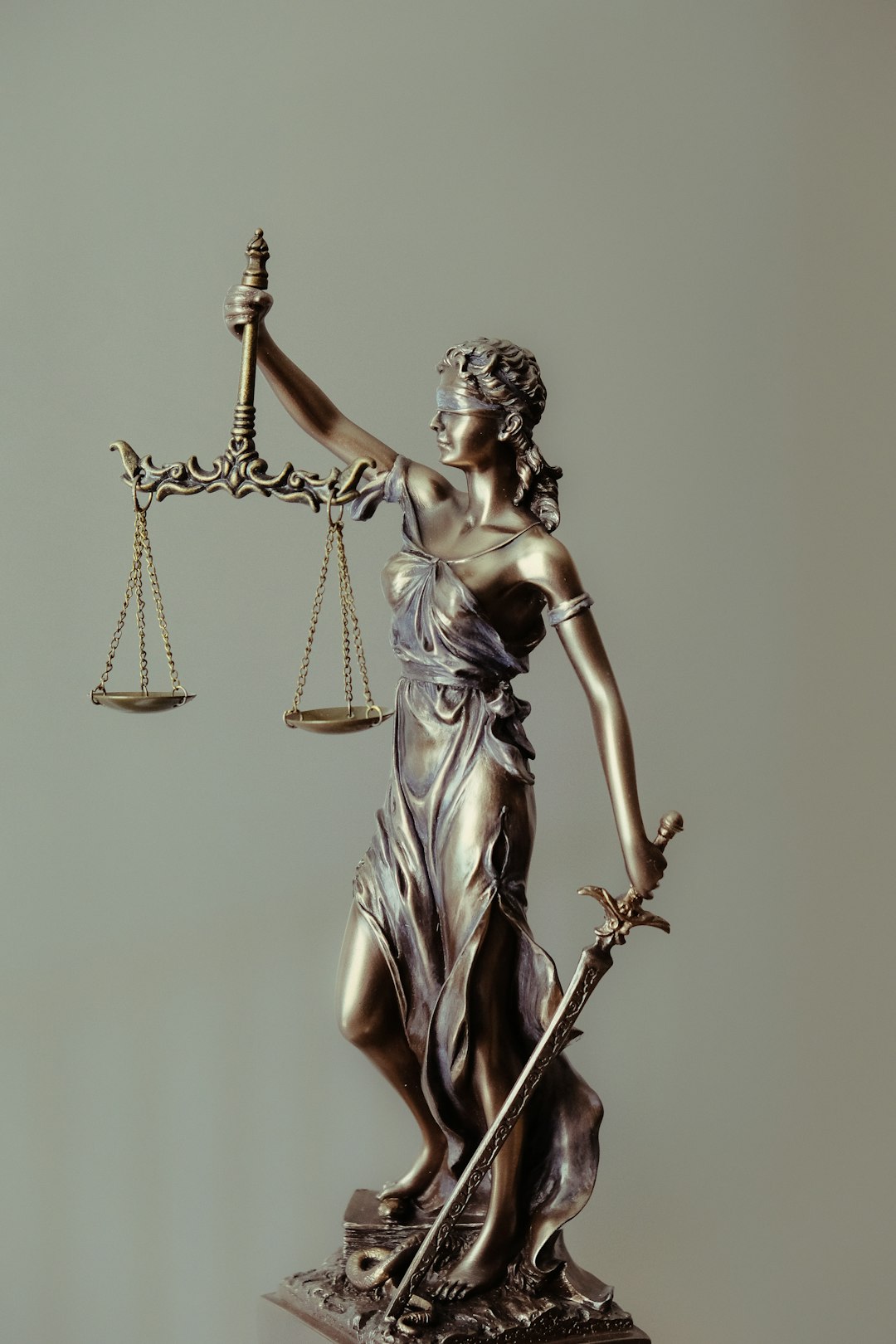
In California, if you believe a debt collector has made an error, engaging a debt collector lawyer California is a strategic step to protect your rights. Such legal professionals are well-versed in consumer protection laws and can help navigate the complex landscape of debt collection practices. For instance, they can advise on when a debt collector's actions cross the line from legitimate collection efforts to unfair or abusive tactics, as per the Fair Debt Collection Practices Act (FDCPA).
A debt collector lawyer California can assist by reviewing documentation, identifying violations, and exploring legal remedies. They might negotiate with the debt collector on your behalf to resolve issues like inaccurate information in your credit report, excessive fees, or repeated harassing calls. For example, if a collector has reported an outdated debt as still outstanding, a lawyer can challenge this false claim, helping to restore your financial standing. Data from the Federal Trade Commission (FTC) indicates that consumer complaints about debt collection practices are numerous, underscoring the importance of legal counsel when dealing with potential errors.
Timing is crucial; acting promptly upon realizing an error can strengthen your case. A debt collector lawyer California can provide timely intervention, ensuring your rights are respected throughout the process. They offer expert guidance tailored to California's unique debt collection regulations, helping you avoid costly mistakes and potential long-term repercussions associated with incorrect debt collection practices.