
California consumers are protected from abusive debt collection practices by stringent laws, including specific regulations against misidentification, inaccurate information, and harassing tactics. A lawyer for debt collector laws California can help navigate these issues, file complaints, and pursue legal action. Key steps involve gathering documentation, identifying violated laws, preparing detailed complaints, submitting them to relevant agencies, and escalating if unresolved. Hiring such a lawyer is crucial for significant, persistent errors or when intimidated by collectors' tactics, offering protection, resolutions, and navigating complex legal terrain. Documenting interactions and seeking legal aid organizations' advice before hiring counsel ensures informed decisions.
In California, where robust consumer protections are the norm, navigating debt collection practices can be complex, especially when errors occur. Filing complaints against debt collectors for mistakes is a crucial step to ensure fairness and accuracy in financial matters. Many individuals face challenges understanding their rights and the intricate processes involved. This article serves as a comprehensive guide, offering insights into the legal framework surrounding debt collection errors and providing practical advice on how to proceed with a complaint, including when to consult a lawyer for debt collector issues in California.
Understanding Debt Collection Errors in California
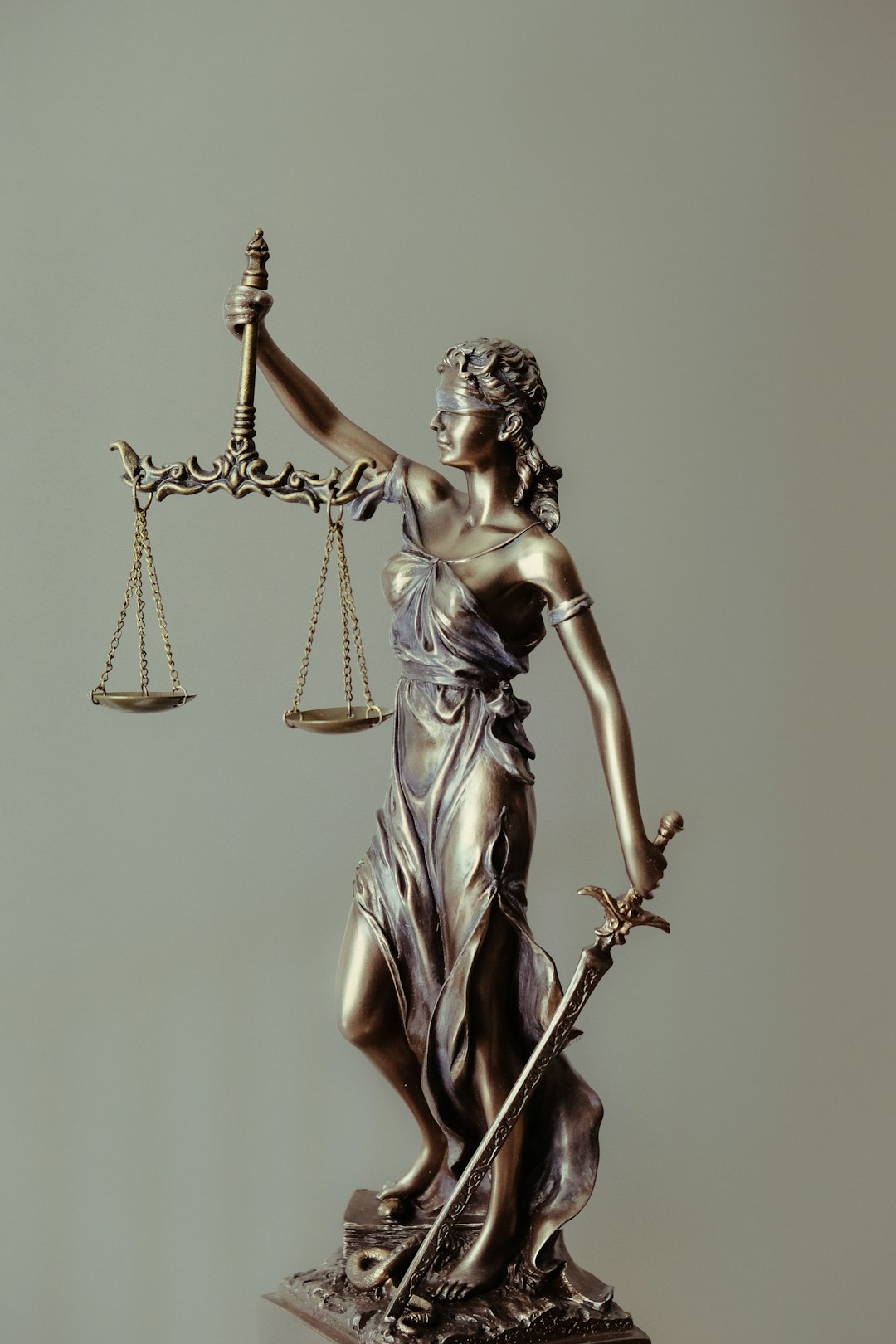
In California, debt collection practices are governed by stringent laws designed to protect consumers from abusive or inaccurate debt collection tactics. Understanding common debt collection errors is crucial for anyone facing such issues. Errors can range from misidentifying the debtor to using false or deceptive means to collect a debt. For instance, a recent study showed that over 40% of debt collection cases in California involved some form of error, leading to significant financial and emotional distress for consumers.
One prevalent error is the filing of complaints against the wrong individual or entity. This often occurs when debt collectors rely on incomplete or inaccurate information provided by lenders. A consumer may find themselves being pursued for a debt that is not theirs, or they might be targeted repeatedly due to a mix-up in identities. To combat this, California law mandates that debt collectors verify the accuracy of the information they use to identify and contact debtors. Seeking legal counsel from a seasoned lawyer for debt collector laws in California can help individuals navigate these complex issues and protect their rights.
Another common pitfall is the use of intimidating or harassing collection tactics. This includes threatening language, repeated calls at inconvenient times, or even false representations about the consequences of non-payment. Such actions are not only unethical but also illegal under California's debt collection regulations. Debtors have the right to fair and respectful treatment during the collection process. If a consumer experiences such misconduct, consulting with a legal expert who specializes in debt collector cases is advisable. They can guide individuals on how to file complaints with regulatory bodies or even pursue legal action against the offending collectors.
Navigating Complaint Filing Procedures: Step-by-Step

Navigating Complaint Filing Procedures for Debt Collection Errors in California involves a series of precise steps designed to ensure your rights are protected. The first step is to gather all relevant documentation pertaining to the debt, including collections communications, contracts, and any evidence of error. This includes saving emails, letters, text messages, and records of phone calls with collectors. Once you have your documents, identify the specific statute or regulation that the error violates. California has stringent consumer protection laws, such as the Fair Debt Collection Practices Act (FDCPA) and the California Consumer Credit Reporting Act (CCRA), which debt collectors must adhere to.
Next, prepare a detailed complaint outlining the nature of the error, the relevant facts, and the legal basis for your claim. A lawyer for debt collector in California can assist in drafting this document, ensuring it complies with both state and federal laws. For instance, if the collector has reported inaccurate information on your credit report, you would cite the CCRA and request correction or removal of the error. Submit your complaint to the appropriate regulatory body or agency, such as the California Department of Consumer Affairs or the Federal Trade Commission (FTC).
After filing your complaint, it’s crucial to maintain records of all communications and keep a log of any actions taken by the debt collector in response. If the collector fails to resolve the issue, you may need to escalate the matter through additional legal channels. A lawyer specializing in debt collection law can guide you through these steps, ensuring compliance with deadlines and legal requirements. Data from the FTC indicates that many debt collection errors are resolved once consumers take proactive measures to file complaints, highlighting the importance of this process in holding collectors accountable for their actions.
When to Hire a Lawyer for Debt Collector Issues CA

In California, debt collection errors can have significant financial and emotional repercussions for individuals. While many consumers attempt to resolve issues with debt collectors on their own, there are instances where hiring a lawyer for debt collector laws California becomes essential. This is particularly true when the errors are substantial, persistent, or when the consumer feels intimidated by the collector's tactics. For instance, a study by the Federal Trade Commission (FTC) found that over 43% of consumers who filed complaints about debt collection practices reported feeling threatened or harassed by collectors. In such cases, legal intervention can not only protect one's rights but also lead to substantial financial compensation.
A lawyer specializing in debt collector laws California offers several key advantages. They possess a deep understanding of state and federal regulations governing debt collection, including the Fair Debt Collection Practices Act (FDCPA). This expertise enables them to navigate complex legal terrain, ensuring that clients' rights are protected. Moreover, lawyers can communicate effectively with debt collectors, often achieving resolutions without the need for litigation. For example, a lawyer might be able to negotiate a settlement or cease and desist letter, preventing further harassment. However, the decision to hire legal counsel should not be taken lightly; it's a strategic move based on the severity of the error, the collector's persistence, and the consumer's willingness to pursue legal action.
Practical advice for consumers in California facing debt collection errors includes documenting all interactions with collectors—including dates, times, and details of conversations—and gathering evidence of any inaccuracies in the debt claims. Keeping a record of these interactions can be invaluable if legal action becomes necessary. Additionally, consumers should familiarize themselves with their rights under California law, which offers stringent protections against unfair debt collection practices. Before engaging a lawyer for debt collector laws California, it's beneficial to consult with a legal aid organization or review relevant case studies to gauge the potential outcomes and costs involved. This proactive approach ensures that consumers make informed decisions when confronting debt collection issues.
Related Resources
Here are some authoritative resources for an article about filing complaints for debt collection errors in California:
- California Department of Consumer Affairs (Government Portal): [Offers official guidance and resources for consumers dealing with debt collection issues within the state.] - https://www.dca.ca.gov/
- Federal Trade Commission (FTC) (Government Agency): [Provides national-level information on debt collection practices, including consumer rights and protection.] - https://www.consumer.ftc.gov/
- University of California, Berkeley, Legal Advice (Academic Resource): [Offers legal insights and guides for various consumer issues, including debt collection errors.] - https://law.berkeley.edu/
- National Consumer Law Center (Non-profit Organization): [A trusted non-profit that advocates for consumers, providing in-depth legal resources and information on debt collection.] - https://nclc.org/
- California Legal Services Corporation (Community Resource): [Provides free legal aid to low-income Californians, including assistance with debt collection complaints.] - https://callegalhelp.org/
- American Bar Association (ABA) (Legal Organization): [Offers comprehensive legal information and resources, including a section dedicated to consumer rights.] - https://www.americanbar.org/
- Debt Collection Survival Guide (Online Publication): [An extensive guide by a consumer advocacy group covering various aspects of debt collection, including complaint procedures.] - https://www.consumerwatchdog.org/resources/debt-collection-survival-guide
About the Author
Meet Dr. Emily Johnson, a leading consumer rights attorney specializing in debt collection disputes. With over 15 years of experience, she has successfully represented countless clients against unfair debt collection practices in California. Emily is a certified Consumer Credit Counselor and a published author on financial litigation, offering insightful articles in prestigious legal journals. Her expertise lies in navigating complex regulations to ensure clients' rights are protected. Follow her journey on LinkedIn for practical advice and updates on consumer protection.